Can you exercise with a stoma? What exercises are safe for stoma patients, and what exercises should you avoid? These are all common questions for people with living with a stoma. The good news is that having a stoma shouldn’t hold you back from any physical activity, so you can get involved in whatever exercise you like in order to stay fit and healthy.
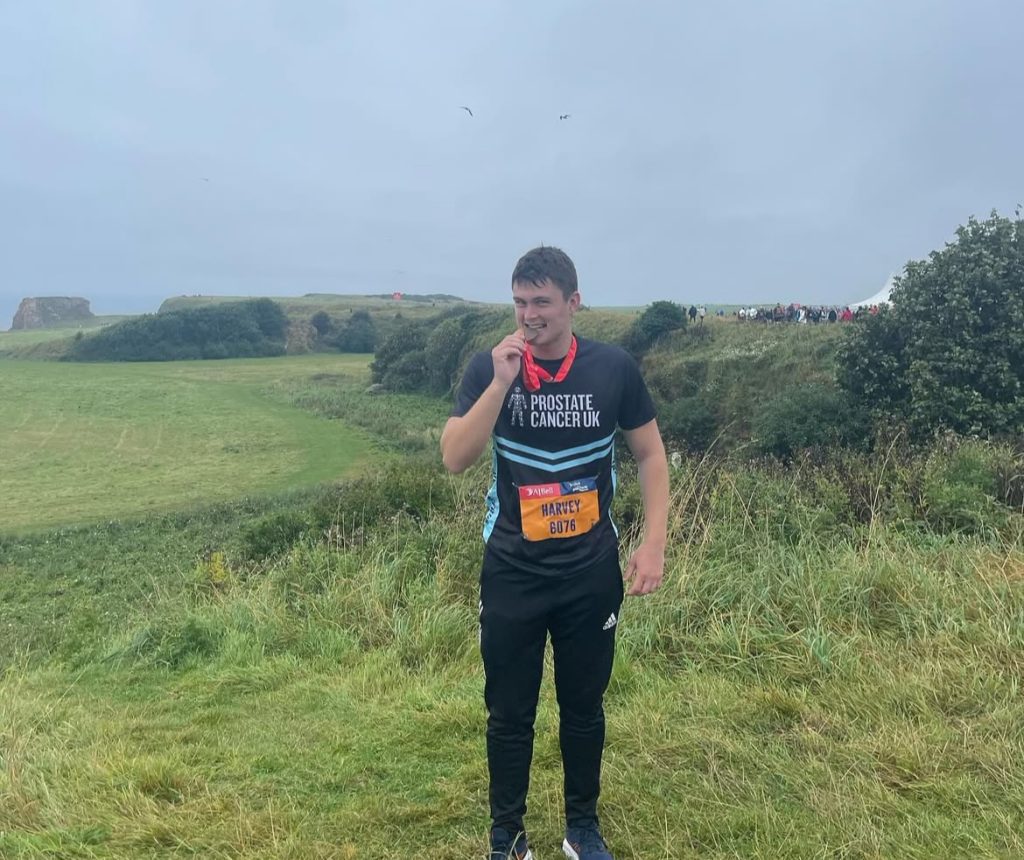
In this guide, we’ll explain everything you need to know about exercising with a stoma, including insight from active ostomate Harvey. He’s gone from needing life-saving emergency ileostomy surgery to competing in Ironmans! He is a regular runner, cyclist, swimmer and gym-goer. Read on to discover his practical tips and advice for exercising with a stoma.
Yes, you can exercise when you have a stoma. There’s no medical reason that should stop you from partaking in whatever form of exercise you like. It’s just as important for ostomates to stay active as it is for people without a stoma. As we all know, exercise helps you sleep better, reduces the risk of health complications, and makes you feel good mentally due to the release of endorphins.
In fact, exercise is particularly beneficial for individuals with a stoma. Maintaining a healthy weight with toned muscles can help prevent a parastomal hernia (more on that below). Plus, exercise stimulates blood flow to the bowels which encourages your stoma to function properly.
So, how soon can you exercise after stoma surgery? You will likely be able to return to exercise at around 6-12 weeks post-surgery. This will change depending on your general health, the reason for your surgery, and the type of surgery you had. For example, Harvey went on his first gentle bike ride roughly 4 weeks after his emergency surgery, and a swim a week later. Always follow the advice of your medical team.

The important thing to remember is to take your time. Immediately after surgery, Harvey says that even sitting up in bed was difficult. Your stoma nurse may show you how to safely sit up and get out of bed for minimal pain.
Begin with taking very short walks as soon as you feel able to. You may only go a few steps a day, but those steps are important progress. This helps you to build strength gradually and could help you to recover quicker.
Harvey says: “From day two, I was walking around the hospital ward and then it progressed around the corridors. It will be painful, but it does get better.”
Balance gentle movements like walking with plenty of rest and sleep – your body needs this to recover.
Avoid heavy lifting for the first 3 months after surgery and gradually develop your abdominal strength. This Colostomy UK resource has core exercises that you can try post-surgery.
Even lifting relatively light things – such as a kettle or shopping bags – has the potential to cause damage if not done properly in the very early days. Your nurse should talk you through this, but the main things to remember are:
You need to be more aware of your core stability because abdominal surgery weakens your muscles, putting you at a higher risk of an injury such as a hernia. This is when the bowel pushes through the weakened muscles at the surgical site. This can be caused by strain. Read our parastomal hernia guide to find out more.
Wearing support belts during physical activity helps to prevent this – Harvey has designed his own after finding others on the market didn’t suit his needs. You can explore them here.
Harvey recommends swimming in particular post-surgery: “I would definitely encourage people to take up swimming to help them build their strength up because it’s pretty safe and you can go as far or as little as you want. I found it very therapeutic.”

Once you have fully healed, your stoma shouldn’t stop you from staying fit and taking part in any activities you enjoy. Harvey says, “My advice would be to have some attainable goals to have something to focus on. My ultimate goal was in a year’s time to do an Ironman.” He achieved this lofty goal – you can read more about that in Harvey’s story.
At the same time, it’s important to be aware of your limits: “You can push yourself to a certain degree but don’t overdo it. That’s the hardest part,” Harvey explains. “That might mean dropping a few reps off a set so you know you’re in control, and you’re not overly fatigued. If things are hurting in the wrong places, you’ve got to call it a day because you will pick up injuries.”

Plus, if you have had much of your colon removed, it can be difficult for your body to absorb the hydration and nutrients it needs. Therefore, it’s essential to consume a balanced diet and drink enough fluids, while also being mindful of your stoma. For example, Harvey has a high-output stoma, so he takes snacks and electrolyte drinks with him on his longer runs. He focuses on low-fibre food that is easier to digest, like white bread and oats, and only eats vegetables that are well-cooked. Find out more in our guide to foods to eat with a stoma.
So what exercises are safe for stoma patients? The short answer is: anything you like! Once you have fully healed, there should be nothing stopping you from partaking in any form of exercise you enjoy. Here is a non-exhaustive list (that you might use for inspiration):


You might want to check with your doctor or stoma nurse first, who will be able to advise you on any accessories you may need, such as a stoma protector. This will help you avoid damaging your stoma in sports where you could be hit in the abdomen.
You don’t have to avoid any particular exercises when you have a stoma. You may find exercises where you lie on your stomach uncomfortable, such as certain yoga or Pilates positions. Exercises that strain your abdominal muscles, like sit-ups, may feel uncomfortable so you may wish to avoid these at first.
If anything feels painful, stop. If you have any doubts, ask your stoma nurse or physiotherapist for guidance.
Here is a checklist of top tips to know before exercising with a stoma:
If you experience any of these sensations or symptoms during or after any physical activity, it is a sign that you are pushing too hard and should slow down or stop:

You might find sit-ups or crunches uncomfortable with a stoma, and they can increase the risk of a parastomal hernia since they heavily engage your abdominal muscles. However, some ostomates like Harvey can do sit-ups without issue, so it’s very individual. Don’t try for several weeks after stoma surgery and ask your stoma nurse for advice if you’re uncertain. There are other effective ways to exercise your core, such as leg raises or planks, which you may find more comfortable.
Yes, there’s no reason you can’t go to the gym if you have a stoma. Harvey goes a few times a week. You may need to adapt your workouts while you recover from surgery and find what’s comfortable. If you want to lift weights, start very slowly and build up gradually. You can use exercise equipment like treadmills and exercise bikes if you like. Consider speaking to a physiotherapist or personal trainer for tailored advice.
Absolutely! Your stoma shouldn’t stop you from running or jogging. Just look at what Harvey has been able to achieve or radio presenter Adele Roberts – she was the first woman with a stoma to run all the major marathons in the world, proving that anything is possible with the right preparation and mindset.
Yes, you can definitely go swimming as an ostomate. Harvey says he particularly enjoyed it while recovering from surgery because of the weightless feeling it gave him and the lack of strain on his abdominal muscles and scars. Read our full guide to swimming with a stoma.
Yes, you can do yoga, Pilates or other similar exercises when you have a stoma, either at home or at a class. Simple poses could be a great way to gently develop your abdominal muscles after surgery. Read our full guide to yoga and Pilates with a stoma
Having a stoma doesn’t mean giving up the activities you love. With proper preparation, the right equipment and a gradual approach to building your fitness, you can enjoy virtually any form of exercise.
Remember to listen to your body, seek professional advice when needed and don’t be afraid to adapt workouts to suit your comfort level. Start slowly, be patient with yourself and celebrate every milestone – whether that’s your first post-surgery walk around the block or completing a marathon!
If you’re feeling uncertain about returning to exercise, speak to your stoma nurse, who can provide personalised advice and support to help you feel confident.
We’d like to thank Harvey for all of his help with this article. You can follow him on social media @mr._colitis_stoma and shop his stoma support belts here.
Although all our articles are written alongside qualified medical professionals, this information is for guidance only and does not replace advice given by your healthcare advisors.