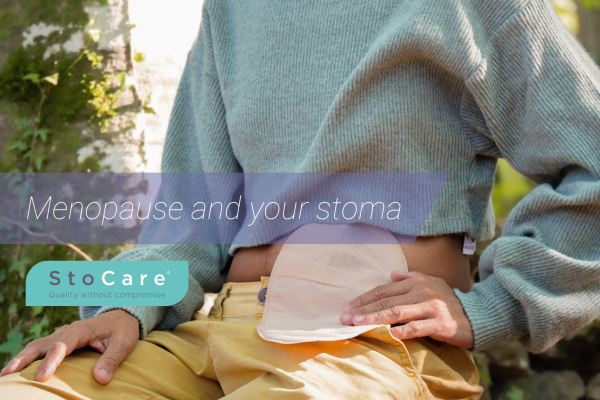
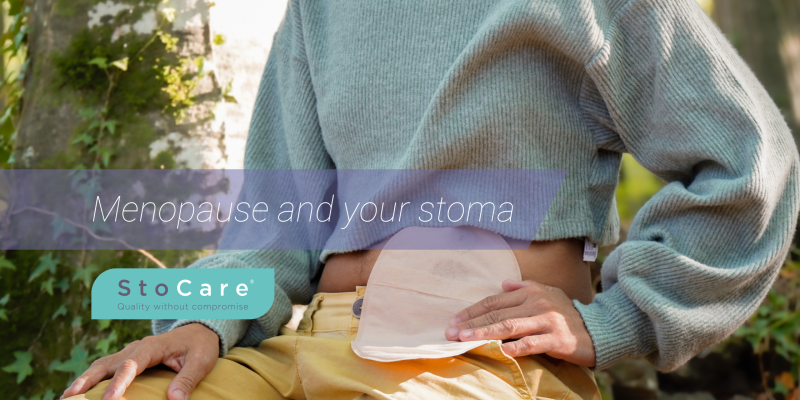
The menopause is a natural, sometimes challenging part of life that affects anyone who has periods, but if you have a stoma, it can feel especially overwhelming. Understanding how the menopause may impact your stoma can help you manage symptoms effectively and maintain your quality of life. This guide explains what to expect and offers practical advice to help you through perimenopause and menopause.
Understanding the menopause
The menopause is when your periods stop permanently due to changes in hormone levels. It is diagnosed after 12 consecutive months without a period. After this, you are considered postmenopausal.
The transition to menopause is called perimenopause. During this time, your hormone levels rise and fall, which can cause a range of symptoms. The menopause most commonly occurs between ages 45 and 55, but can happen earlier or later due to surgery like a hysterectomy, cancer treatments or genetic reasons.
Recognising the signs of menopause
Common signs of perimenopause and menopause include:
- Hot flushes
- Night sweats and disturbed sleep
- Vaginal dryness
- Mood swings and irritability
- Brain fog
- Decreased sex drive
- Weight gain
If you spot these signs early, you can speak to your doctor or stoma nurse about your symptoms and take proactive steps to manage them. If you are experiencing these symptoms for no apparent reason, before you would expect to be menopausal, it’s important to consult a doctor for tests to determine the cause.

HRT and stomas
Hormone replacement therapy (HRT) can help to reduce menopausal symptoms by levelling out your hormone levels. Having a stoma should not stop you from being able to have HRT, but it’s important to speak to your doctor about your individual circumstances.
Oestrogen can be taken as gels, patches or sprays. These bypass the gut and do not impact your stoma.
If you have a womb, you will also need to take progesterone when you go through the menopause, as it protects against endometrial cancer. Some progesterone tablets are absorbed in the small bowel and can increase stoma output and cause bloating. If this is affecting you negatively, your doctor may be able to recommend an alternative form of progesterone.
How the menopause affects stoma care
Skin changes
Decreased oestrogen levels can cause your skin to become drier, thinner and more sensitive, which might impact your peristomal skin. It might become irritated more easily and worsen symptoms such as pain, inflammation, or itchiness.
Remember to always remove your stoma appliance safely using medical adhesive remover. If you are experiencing peristomal skin problems (even mild ones), contact your stoma nurse as soon as possible to prevent them from escalating. They may recommend using a barrier film, which can protect the skin from stoma output and the effects of repeated adhesive removal.

Read more: Peristomal skin protection
Appliance fit and body changes
The menopause can lead to weight gain, which can impact how well your stoma appliance fits. It might cause dips in your skin’s surface that make it hard for an appliance to sit flat on the skin, or cause the stoma itself to change size or shape. Age-related changes in muscle tone and tissue, along with weight changes, may also increase your risk of a parastomal hernia.
In addition, hot flashes and night sweats might impact how well your appliance sticks to your skin due to moisture compromising the seal.
To mitigate these risks:
- Exercise regularly, focusing on making your core muscles strong to protect your stoma
- Be sure to exercise safely and wear a support garment if necessary
- Eat a healthy, balanced diet
- Have your stoma remeasured if your body shape changes
- Consider using a stoma seal to address dips in your skin
- Try flange extenders to increase the security of your appliance
Hydration
Dehydration can become more common during menopause due to hot flushes and increased sweating. This is especially important to consider if you have had part of your bowel removed during stoma surgery, as your body may already absorb less fluid.
To avoid dehydration, try to drink plenty of non-caffeinated drinks throughout the day, and include water-rich foods in your diet like melon, cucumber and soup.

Keep an eye out for the signs of dehydration:
- Feeling thirsty or having a dry mouth
- Headache
- Dark or strong-smelling urine
- Decreased urine output
- Feeling lightheaded or dizzy
- Muscle cramps
If you think you are dehydrated, rehydrate with an electrolyte drink or homemade St Mark’s solution.
Changes to bowel habits
If you have a bowel stoma, be aware that the menopause can affect how fast food passes through the gut. You might experience more output than usual, constipation, diarrhoea or gas. This might disrupt your stoma routine and make it more challenging to manage.
For example, you might find you need to change or empty your appliance more often or experience problems like ballooning or pancaking more than you did before. These changes might make you feel stressed or anxious.
You can mitigate stress by being prepared with plenty of stoma supplies at all times, including when out and about. It might help to keep a food diary to track what eating habits cause symptoms, but look for repeated patterns and speak to your stoma nurse/GP before cutting anything out of your diet. Read more: Foods to eat with a stoma
If you are finding your stoma difficult to cope with or are worried about your symptoms, reach out to your stoma nurse who may recommend changes to your diet, medication or stoma routine to make it easier to manage.
Bone health
Decreased oestrogen levels can increase the risk of osteoporosis. Try to incorporate foods high in calcium and vitamin D into your diet to support bone health, like dairy products, fortified foods, kale and bony fish. This is particularly important for stoma patients, as nutrient absorption may already be affected.

Mental health and wellbeing
Menopause can cause mental health fluctuations, which may be made worse if you are also dealing with stoma-related challenges. The gut and mind are connected, so if you are experiencing stress or anxiety as a menopause symptom, this can affect your stoma output.
Connecting with other ostomates or people going through the menopause, such as at support groups or on social media, may help. Do not hesitate to seek mental health support if you are struggling.
Our guide has advice for dealing with stress and understanding your mental health with a stoma.
Sex and intimacy
Similarly, the impact of the menopause on sexual health might affect your body image and self-confidence. Remember, you are still the same person you were before the menopause, and it does not define you.
Open communication with your partner is important. Telling them your worries and asking for reassurance will help to boost your self-esteem. Remember that intimacy is about more than just sex, and there are many ways to maintain closeness during this time if sex is a struggle.
Vaginal dryness is a common symptom that can make sex uncomfortable. You might also experience a low sex drive. If this is a distressing issue for you, speak to your doctor or pharmacist about it, as there are treatments available.
Read more in our guide to Sex and intimacy with a stoma
Conclusion
The menopause is a significant life transition, and having a stoma can add extra complexity to this experience. Remember that symptoms vary from person to person, and what works for someone else may not work for you. If you are experiencing symptoms of the menopause and have a stoma, speak to your GP or stoma nurse. They can help you manage both your menopausal symptoms and any stoma-related challenges that arise.
Helpful resources
StoCare Stoma Advice and Support
Ileostomy and Internal Pouch Association
Although all our articles are written alongside qualified medical professionals, this information is for guidance only and does not replace the advice of healthcare professionals.