Living with a stoma can take a little getting used to, and finding ways to feel comfortable and confident in your daily routine is an important part of that journey.
One concern many people with a stoma – also known as ostomates – experience is leakage, which can affect their comfort, their confidence and the health of the skin around the stoma (known as peristomal skin).
Whilst a well-fitting stoma bag is the foundation of effective leakage prevention, additional products such as stoma seals can help improve the fit of your appliance and protect the surrounding skin.
But how do stoma seals work, and how do you know whether one might be right for you?
What is a stoma seal?
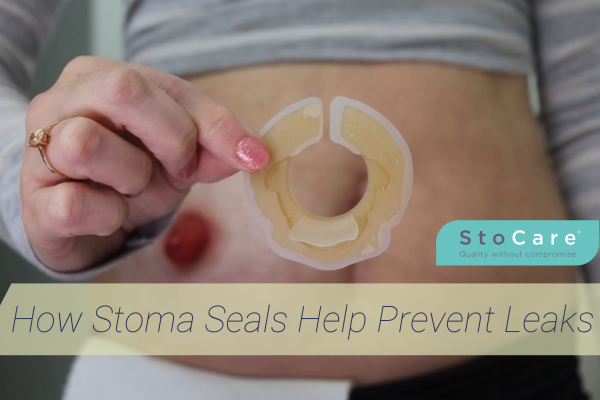
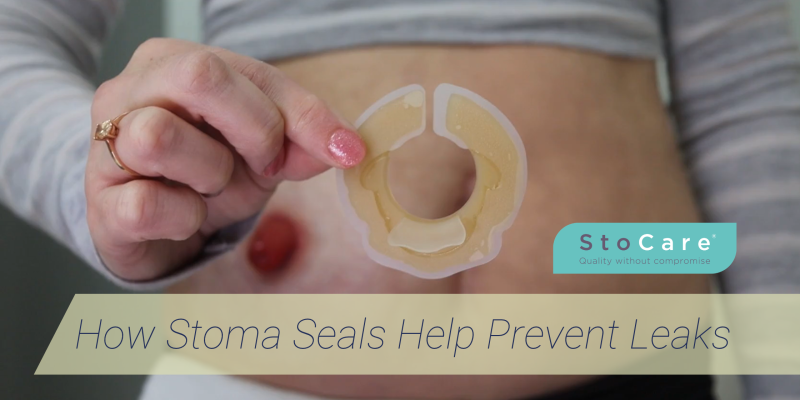
A stoma seal (sometimes called a stoma ring, barrier ring, donut or barrier seal) is a soft, mouldable accessory designed to be used alongside a stoma bag. It sits between the skin and the adhesive baseplate, helping to create a closer fit around the stoma.
How do stoma seals work?
Stomas can be different shapes and sizes, and the skin around them isn’t always completely flat.
Small skin folds, creases, dips, or changes in the body’s contours can create gaps beneath a stoma appliance. These gaps can allow stoma output to get underneath the baseplate – potentially causing leaks and skin irritation. A stoma seal can help fill these gaps.
Seals are available in different shapes, sizes and thicknesses to suit different needs. Many are made from skin-friendly hydrocolloid materials.
But how exactly do stoma seals help to prevent leaks?
Stoma seals can support leakage prevention in several ways.
1. Filling gaps around the stoma
One of the main purposes of a stoma seal is to fill uneven areas around the stoma where output might otherwise collect.
By moulding the seal to the shape of your stoma and surrounding skin, you can help reduce the gaps between your skin and the baseplate. This can be particularly helpful if your skin has creases, dips or folds, if you have an oval stoma or if your stoma sits close to skin level (known as a flush stoma).
A closer fit helps reduce opportunities for output to travel underneath the adhesive.
2. Supporting a more secure appliance fit
Everyone’s body is different, and the area around a stoma can change with movement, posture and weight fluctuations. A seal can help accommodate some of these, supporting the fit of the baseplate.
Depending on the product and your individual needs, a seal may be moulded or stretched to fit more closely around the stoma. It should sit comfortably without being stretched so tightly that it creates an opening around the stoma or puts unnecessary pressure on the skin or stoma.
3. Helping protect the skin around your stoma
When stoma output gets beneath the baseplate, it can irritate the delicate peristomal skin around your stoma. This may cause redness, soreness, itching or other signs of skin damage – potentially even leading to more severe MASD.
By helping to reduce leakage beneath the appliance, a well-fitted seal can help limit skin exposure to stoma output.
Some seals also absorb moisture, depending on their composition. However, no seal can guarantee that leaks or skin irritation will never occur, so it’s still important to check your skin regularly and make sure your appliance fits correctly.
4. Supporting comfort and confidence
Worrying about leaks can make everyday activities feel more challenging. Whether you’re heading to work, meeting friends, exercising or simply getting on with your usual routine, feeling secure in your appliance matters.
For some people, adding a stoma seal to their routine can help improve their appliance fit and reduce leakage concerns. Finding the right combination of products for your body can make stoma care feel more manageable.
Introducing the Ostoform FLOWASSIST Seal
Traditional stoma seals help fill gaps around the stoma to support a closer fit. The Ostoform FLOWASSIST Seal does just that, and more, with its skin-friendly hydrocolloid and patented FLOWASSIST technology.
Developed to create a secure barrier with the split seal design with the addition of FLOWASSIST, a small polymer chute that protects the integrity of the hydrocolloid and directs output away from the skin around the stoma and into the pouch – reducing the chance of output leaking underneath the baseplate.
The Ostoform FLOWASSIST Seal can be used with most pouching systems.
However, as with any stoma product, individual experiences vary. The shape and position of your stoma, your skin contours and the type of output you have can all affect how well a product works for you. Your stoma care nurse can help you determine whether FLOWASSIST may be suitable for your needs.
How to get the best fit from your stoma seal
Choosing a suitable seal is only one part of preventing leaks. A few simple steps can also help support your appliance fit.
Make sure your skin is clean and dry
Remove your previous appliance gently and clean the surrounding skin according to your usual stoma care routine. Ensure the area is dry before applying your new appliance.
Check the fit of your baseplate
The opening should be appropriate for your stoma’s size and shape, without exposing unnecessary skin or putting pressure on the stoma.
Apply your seal carefully
Follow the manufacturer’s instructions for moulding and positioning the seal. Aim for a close fit around the stoma without creating gaps.
Check your skin regularly
Look out for leaks, redness, soreness, itching or changes in the skin around your stoma. These can be signs that your appliance fit or routine needs reviewing.
Seek advice if leaks continue
Frequent leaks are not something you simply have to put up with. Your stoma care nurse can assess your appliance fit, skin condition and whether a different seal or pouching system might help.
Remember that no single product works for everyone
Finding the right solution may involve trying different accessories with guidance from your stoma care team.
Stoma seals vs stoma paste: What’s the difference?
Stoma seals and stoma paste can both help fill gaps around a stoma, but they work in slightly different ways.
Stoma seals are pre-formed rings that can usually be moulded or stretched to fit around the stoma. They provide a more substantial layer of material between the skin and the baseplate, helping to fill uneven areas and support the appliance fit.
Stoma paste, on the other hand, is quite literally a mouldable paste which is used to fill small gaps, creases and uneven areas around the stoma. Like the seal, its purpose is to help create a closer seal between the skin and the appliance.
Paste can be useful for targeting particular areas where gaps occur, whilst a stoma seal may be easier to position when more consistent coverage is needed around the stoma. Some people use one product, whilst others may benefit from a combination, depending on their skin contours, stoma and appliance.
Neither option is universally better. The most suitable choice depends on your individual needs, the fit of your baseplate and advice from your stoma care nurse or healthcare professional – especially if you’re struggling with persistent leaking.
Always follow the product instructions, as some pastes contain alcohol and may sting when applied to sore or broken skin.
A seal isn’t for everyone
A stoma seal can be helpful for many people, but it isn’t always the answer to every pouching challenge – including leakage.
Depending on your individual ostomy needs, a different solution may be more suitable. This could be an alternative pouching system, an additional supporting product/accessory or even a different shaped baseplate, such as a convex baseplate.
Everyone is different, and what works well for one person may not work for another. If you’re experiencing challenges with leaks, managing your stoma or keeping your pouch secure, speak to your stoma care nurse. They can help you explore different products from different manufacturers and find a solution that works best for you.
Find the right support for your stoma
Stoma seals can play a useful role in helping to prevent leaks by filling gaps around the stoma, supporting the fit of your baseplate and helping protect the surrounding skin. Stoma paste offers a similar gap-filling function, whilst innovative designs such as the Ostoform FLOWASSIST Seal also aim to manage output flow.
If you’re experiencing frequent leaks, sore skin or difficulty getting your appliance to fit comfortably, speak to your stoma care nurse. With the right advice and products for your individual needs, you can work towards a more comfortable and confident stoma care routine.